New Orleans Traditional Jazz Camp
Camper Site
Vocal Tutorials
Jazz Band 101
(36 minutes)
In 2015 Banu Gibson and the Jazz Camp faculty discuss and demonstrate the role of each instrument in a trad jazz band and their relationship with each other.
Vocalists:
Click the button below for more info just for you!
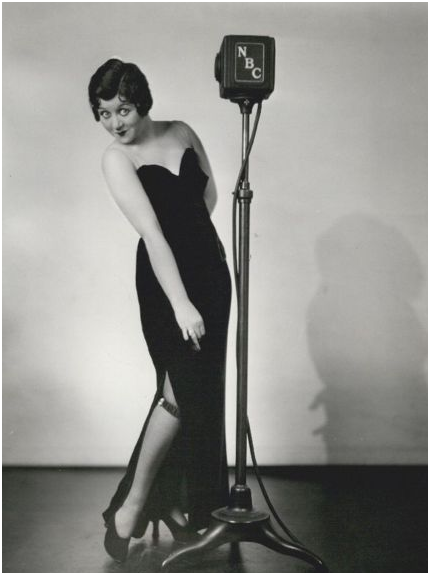
The NOTJC vocalists week consists of:
- Warm-ups each morning
Stage presence 101
- How to communicate with a pianist/guitarist
- How to speak musician (terminology)
- How to start the song
- How to end a song
- How to find the right tempo for the song
- How to count off the song
- How to analyze a song and build a song from scratch
- What the different types of endings are and what they are called
- Sitting in etiquette
- How to structure a set
During the week vocalists work primarily with just a pianist but there is an opportunity to sing with a quartet and full band during the week. Vocalists will also be able to sit in at the nightly jam sessions.
Vocalists are invited to march in our memorial second line parade Tuesday evening, weather permitting.
Thursday morning you will work on your song with a guitarist and applyi what you have learned in communication skills sessions to a musician with whom you have not worked.
Thursday night you will be performing at a famous New Orleans music venue. Each vocalist will perform between two to three songs each, more if time allows.
Vocalists will also perform one ensamble song at the Toulouse Theatre with instrumentalists.
The official end of camp is with our concert on Friday afternoon, where all vocalists will perform in front of the rest of the instrumentalists, vocalists, and guests.
You are also invited to sit in for our Lagniappe performances at the World War II museum on Saturday during the day and/or at Buffa's Bar & Restaurant on Saturday evening.
If there is something specific you wish to work on we will do our best to accommodate you.
Leading The Band
(4 minutes)
Ben Polcer discusses what it means to lead a band.
Chord Compendium
(PDF)
Faculty member Ray Moore shares a chord compenium for campers.
Jam Session Songs
(PDF)
This is a PDF with a list of songs for playing along in our evening jam, sessions.
The Powerful and Vulnerable Cords by Elizabeth Sabine
Click the button to download The Powerful and Vulnerable Cords.
Excerpts from "The Jazz Singers — The Ultimate Guide" by Scott Yanow
Click the button to download A Brief History of Jazz Singing.
Click the button to download What is a Jazz Singer.
Banu Gibson
Banu Gibson Introduction
I'm Nobody's Baby
(1 minute)
Sing what the composer wrote for the first chorus. Then on your second chorus you can change the melody and phrasing, and as they'd say, "get hot"
(NOTE: Banu added two more examples from Ruth Etting and Marion Harris after recording the Intro video.)
Click the button below to download the Lead Sheet.
YouTube Examples
Judy Garland
(2:53 minutes)
I'm Nobody's Baby was written in 1921. The song charted at #3 for Marrion Harris in 1921 and also at #3 for Judy's 1940 recording heard here. On Judy's out chorus she changes the melody but there are not really any jazz influences or syncopation. This is a pure pop rendition of the song.
Mildred Bailey
(2:57 minutes)
Right from the first note (which is anticipated) Mildred is singing with synocation. She slightly changes the melody and sings with a light swinging approach. If you are not used to swinging a melody, copy exactly what Mildred is singing and singalong.
Ruth Etting
(3 minutes)
In this 1927 recording Ruth sings her first chorus straight and then "gets hot" on her out chorus. This gives you an idea of a 1920s singing approach. Compare Ruth 20's version to its original more ragtime feel as recorded by Marion Davis
Marion Harris
(2:57 minutes)
Always try to find the first recording of a song and the original sheet music. It is best to understand a song in its original context. Remember most singers were performing on stage and needed to project to the back row of the theater without the help of a microphone.
Optional Reading
History Myth and Legend — The Problem of Early Jazz
This is an overview of how different historians contribute to the history of Traditional Jazz in different ways by author David Sanger. It is an excerpt from The Cambridge Companion to Jazz.
Our Sponsors






See our full list of Donors & Sponsors
New Orleans Tradtional Jazz Camp
PO Box 15851
New Orleans, LA 70175
(504) 895-0037
notradjazzcamp@gmail.com